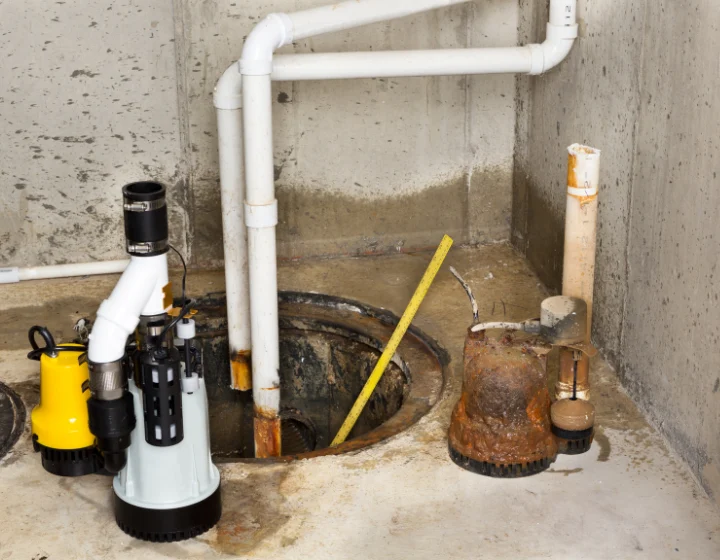
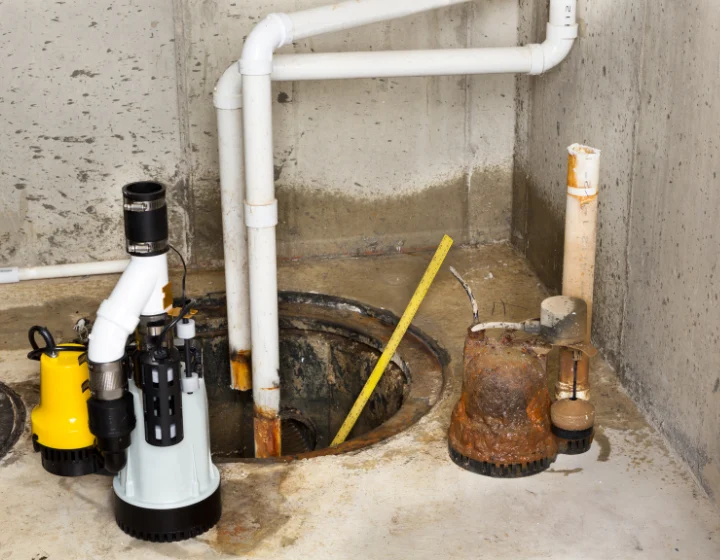
Sump pump installation also involves determining where the discharged groundwater will go.
This is an important consideration for Sterling Heights homeowners because sump pump discharge systems must be compatible with applicable plumbing and municipal drainage requirements.
Stormwater vs. Sanitary Sewer Systems
Sump pumps generally remove groundwater rather than sanitary wastewater.
Sanitary sewer systems are intended to carry wastewater from toilets, sinks, showers, and other plumbing fixtures.
Groundwater and stormwater should not be directed into sanitary sewer infrastructure through unauthorized connections.
Improper connections can place additional demands on wastewater systems and contribute to sewer overflows.
Proper Discharge Arrangements
Sump discharge piping should direct water to an approved location without creating avoidable drainage problems around the property.
Depending on the installation, this may involve an approved storm drainage connection or another permitted discharge arrangement.
Homeowners considering new installations or modifications should verify the applicable requirements with the City of Sterling Heights.
Why Discharge Problems Matter
Even a properly functioning pump can struggle if the discharge line becomes blocked, frozen, or damaged.
Water may return to the sump basin or collect around the foundation.
Professional evaluation can help determine whether the issue involves the pump itself or the connected discharge system.
A dependable sump pump system requires both reliable equipment and an appropriate way to discharge water.